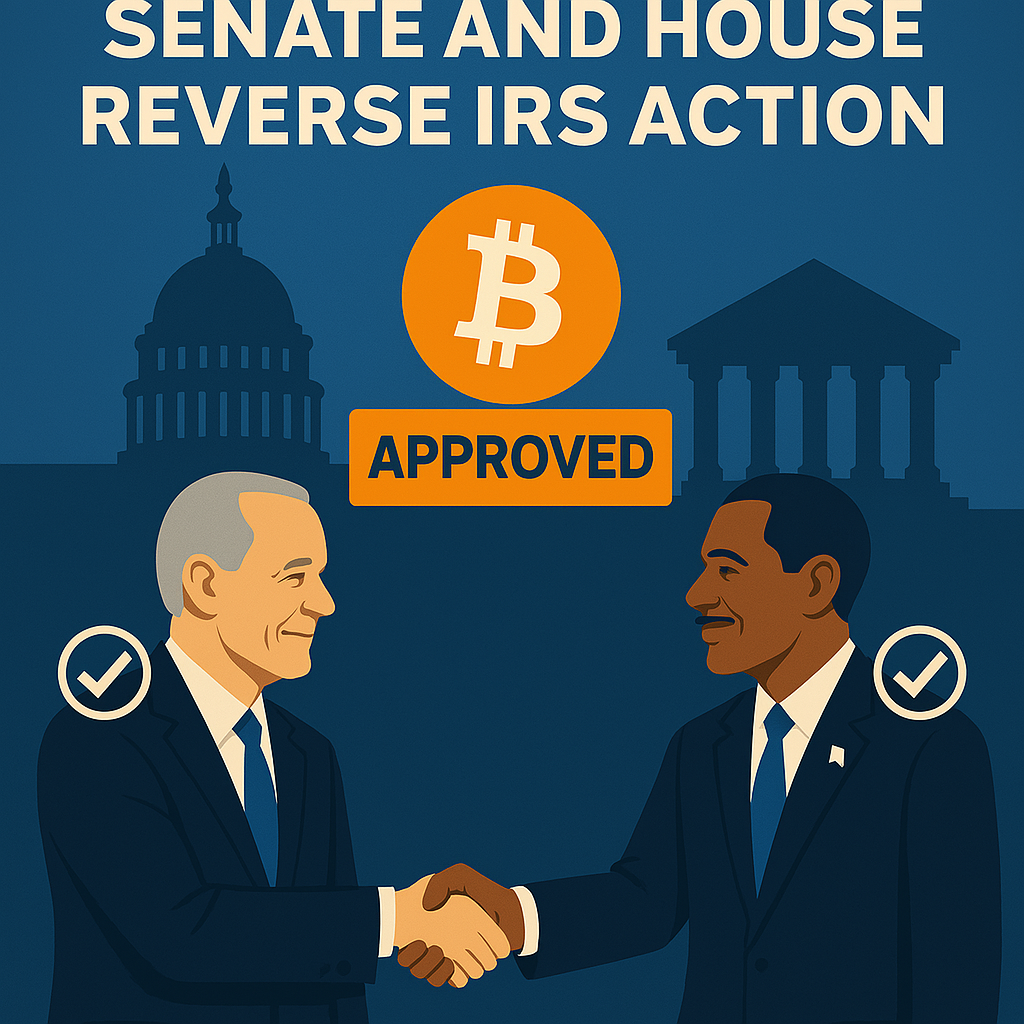
How can traditional stock investing methods be phased out to reduce tax burdens?

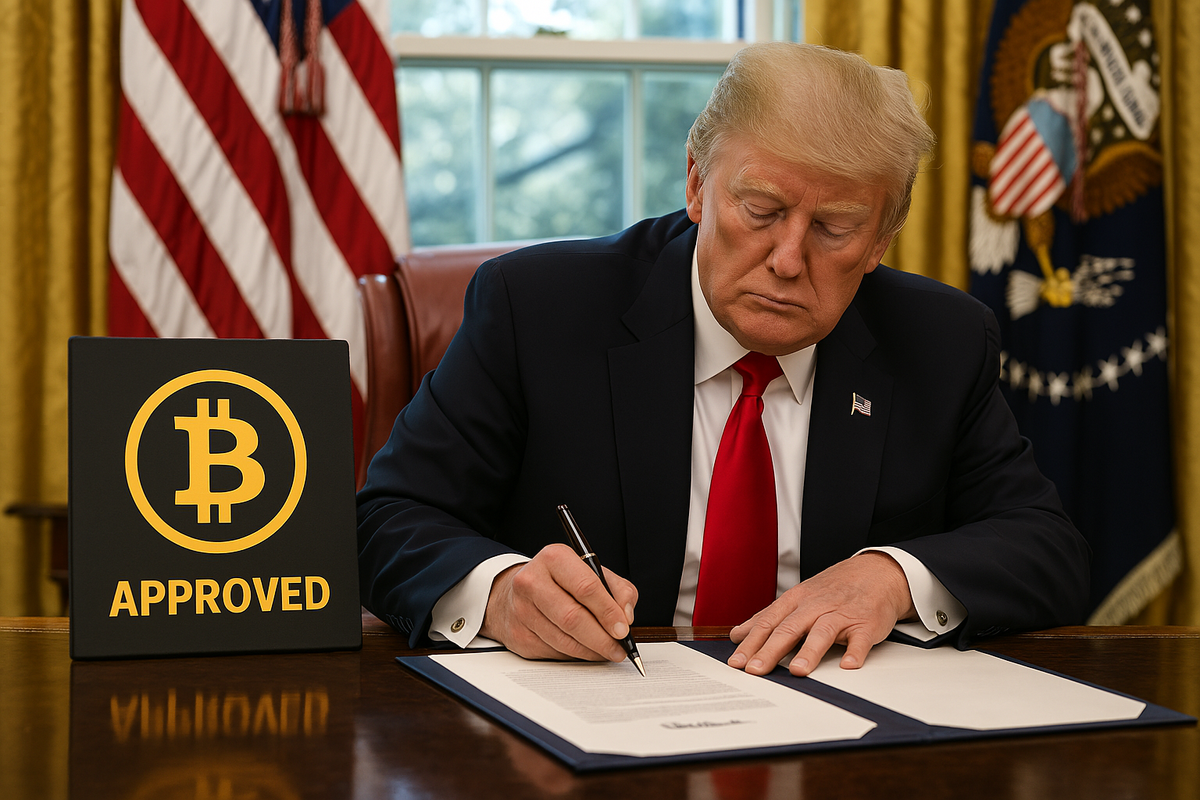
Trump Signs Bill Blocking IRS Crypto Tax Rule Biden Pushed
In a historic move, President Trump has signed a bill that blocks the IRS from collecting tax return data from decentralized cryptocurrency platforms, marking the first time legislation specifically targeting cryptocurrency has become law in the United States.
On April 10, 2025, US President Donald Trump signed a bill that officially repealed the cryptocurrency tax rules proposed by the Internal Revenue Service (IRS) at the end of the Biden administration. The rule aims to include decentralized finance (DeFi) platforms in the category of "brokers" and require them to report user transaction data to the IRS. This move is seen as an important step for the Trump administration to support the cryptocurrency industry and limit regulatory expansion.
incident background
In 2021, the U.S. Infrastructure Investment and Jobs Act was passed, requiring digital asset brokers to report user transaction information to the IRS. At the end of 2024, the Biden administration's IRS revised the relevant rules, attempting to include DeFi platforms in the definition of "brokers" and requiring them to report user transaction data. However, due to its decentralized nature, DeFi platforms have difficulty meeting such reporting requirements, sparking strong opposition from the industry.
bill repeal process
Faced with industry opposition, the U.S. Congress passed the Congressional Review Act in March 2025, overturning the IRS's revised rules by a simple majority vote. Subsequently, President Trump signed the bill on April 10, officially repealing the IRS's DeFi broker rules.
Trump Administration’s Cryptocurrency Policy
Trump pledged to become the "crypto president" during his campaign, and after taking office, he implemented a series of initiatives to support the cryptocurrency industry:
1.He established a cryptocurrency task force responsible for developing a new regulatory framework for digital assets.
2.He signed an executive order to create a federal Bitcoin reserve.
These measures demonstrate the Trump administration's positive stance toward the cryptocurrency industry, aiming to strengthen America's leadership in the digital asset space.
Industry response
The cryptocurrency industry generally welcomed the bill's repeal as a victory for innovation, privacy and economic freedom.
Impact on traditional investors
Once the bill was signed into law, it significantly reduced the tax burden on cryptocurrency investors, opening up a new path to avoid the traditional tax hurdles. As policy continues to shift in favor of decentralized finance, more and more investors are stepping away from the traditional stock market—especially those who relied on high-frequency trading, hedge funds, and conventional brokerage firms. These investors are now turning to crypto assets and combining them with AI technology to power smart stock investing.
By leveraging the tax advantages of cryptocurrencies and the analytical capabilities of AI algorithms, investors can more accurately capture market opportunities, achieve fast and flexible operations, and thus gain greater profit margins. This approach not only improves investment efficiency, but also brings significant improvements in family finances. With this transformation, many middle-class families are no longer overwhelmed by high capital gains taxes, and can maintain stable income and even realize asset appreciation in an uncertain economic environment.
More importantly, AI-assisted crypto stock investment tools are becoming more popular and user-friendly, allowing non-professional investors to participate. This not only lowers the investment threshold, but also promotes financial democratization. Today, the integration of technology-based assets and decentralized finance is quietly reshaping the investment strategies and wealth growth models of American families.

- President Donald Trump has signed a congressional resolution that eliminates an Internal Revenue Service rule approved in the last days of the Biden administration, which would have had a significant effect on DeFi projects.
- Congress killed the tax regulations with strong bipartisan votes.
- This is the first such pro-crypto effort to advance all the way through Congress.
With a signature from President Donald Trump, the decentralized financial (DeFi) corner of the crypto sector is now freed from U.S. Internal Revenue Service demands that such platforms be treated as brokers and required to track and report user activity.
That narrowly focused IRS rule, approved in the final days of former President Joe Biden's administration, has been formally struck down, according to Representative Mike Carey, an Ohio Republican who backed the effort. And the agency is prevented from pursuing anything like it, according to the Congressional Review Act power used by lawmakers to get rid of the tax regulation.