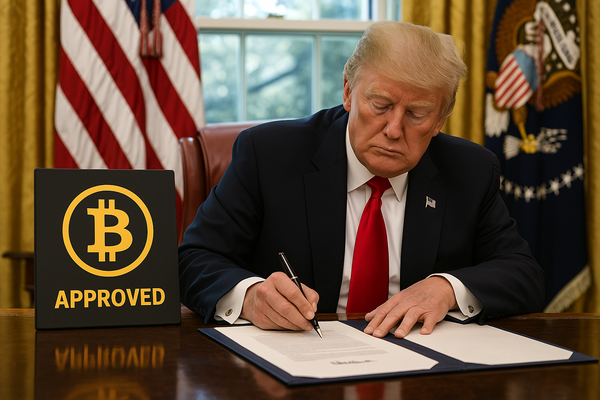
How do you get started with AI-powered automated stock trading in 2026?


With the continuous advancement of technology, the capabilities and application scope of AI are also expanding. At present, AI has played an important role in many fields such as medicine, finance, and education, driving society to a higher level of development.
So what exactly is AI?
Artificial intelligence (AI) is technology that enables computers and machines to simulate human learning, comprehension, problem solving, decision making, creativity and autonomy.


Salim Ramji: Since 2018, Vanguard has been exploring the application of AI, initially focusing on text processing and later integrating AI into quantitative investment strategies. For example, during the 2023 regional banking crisis, AI helped Vanguard’s portfolios avoid investing in stocks that appeared undervalued but were actually high-risk, demonstrating the potential of AI in enhancing investment decision-making.
What is AI quantitative trading?
AI quantitative trading refers to combining artificial intelligence technology with financial data analysis, and using algorithmic models to make automated and systematic trading decisions on assets such as stocks. This approach can not only greatly improve trading efficiency, but also achieve more accurate predictions and risk control through continuous learning and data analysis.
It is different from traditional "programmed trading" because AI has the ability to "learn" and "self-optimize", not only executing strategies, but also continuously improving strategies based on historical data.
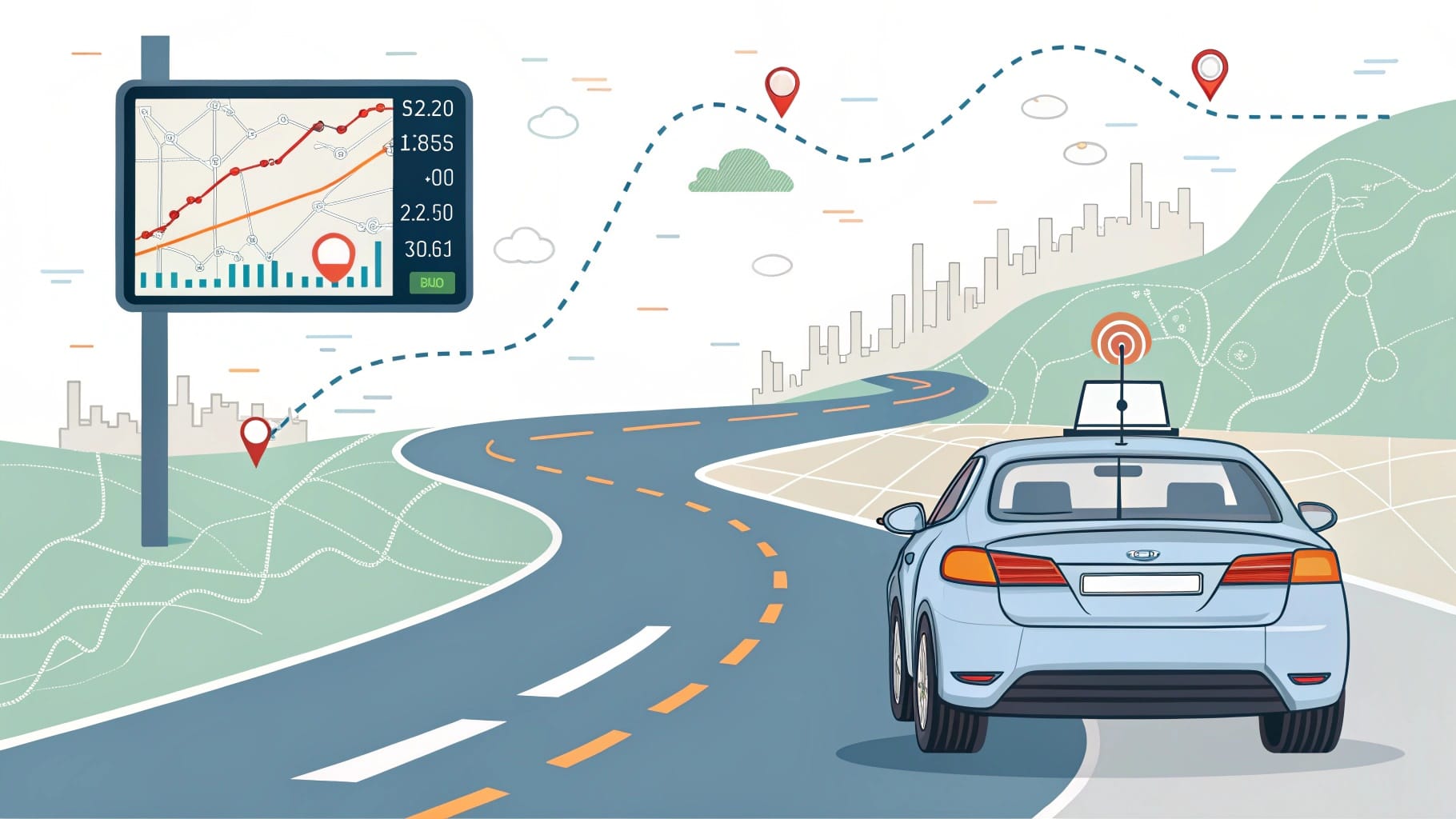
AI quantitative trading is like putting a GPS on your investment car. Instead of driving blind or relying on old maps, the AI constantly checks traffic, weather, and road conditions in real time, helping you take the fastest and safest route to your destination—while also learning from every trip to get even better next time.
Deep learning
Deep learning is a subset of machine learning that uses multilayered neural networks, called deep neural networks, that more closely simulate the complex decision-making power of the human brain.
Deep neural networks include an input layer, at least three but usually hundreds of hidden layers, and an output layer, unlike neural networks used in classic machine learning models, which usually have only one or two hidden layers.
Because deep learning doesn’t require human intervention, it enables machine learning at a tremendous scale. It is well suited to natural language processing (NLP), computer vision, and other tasks that involve the fast, accurate identification complex patterns and relationships in large amounts of data. Some form of deep learning powers most of the artificial intelligence (AI) applications in our lives today.

What are the benefits of AI trading?
- Machine Learning
Machine learning is the foundation of AI, relying on historical market data for modeling and prediction. Common models include:
- Linear Regression
- Random Forest
- Support Vector Machine (SVM)
- XGBoost
- Reinforcement Learning
By learning from large volumes of data such as stock prices, trading volumes, and volatility, these models can forecast price trends and identify buy/sell signals.
- Deep Learning and Neural Networks
Deep learning is often used to recognize complex, non-linear relationships. For example:
- Convolutional Neural Networks (CNNs) are used to identify patterns in candlestick (K-line) charts.
- Recurrent Neural Networks (RNNs) analyze time-series data to predict price movements.
- Transformer models handle long-term dependencies in data, offering enhanced predictive power.
- Natural Language Processing (NLP)
AI applies NLP to analyze unstructured data such as financial reports, news articles, social media posts, and forum comments to understand public sentiment and market expectations. This is known as Sentiment Analysis, and it can be used to:
- Determine the potential impact of positive or negative news on individual stocks.
- Detect shifts in public opinion early, generating potential trading signals.


Abigail Johnson: Technical talent with AI skills is very important to Fidelity. To stay competitive, Fidelity continues to expand its AI team, develop digital asset trading capabilities, and use AI to analyze market trends and customer behavior to optimize investment decisions. Fidelity continues to build AI tools to help customers manage their portfolios more efficiently.
Key Advantages of AI Quantitative Trading
✅ Automation
The entire trading process is executed by algorithms without human intervention, greatly improving speed and accuracy.
✅ Efficient Processing of Massive Data
AI can quickly analyze both structured and unstructured data types, extracting key indicators and uncovering trading opportunities.
✅ Emotion-Free Trading
AI is not influenced by human emotions like greed, fear, or impulse, helping to avoid irrational decisions.
✅ Continuous Learning and Optimization
AI models can learn from new data and continuously adjust strategies to adapt to dynamic market conditions.
✅ More Accurate Risk Management
AI can monitor market risks, volatility changes, and abnormal behaviors in real time, and automatically trigger stop-loss or take-profit actions.

Typical Applications of AI in the Stock Market
- Trend Prediction Models
AI models are used to forecast the future price movement of a stock, including probabilities of price increases or decreases, expected volatility, and key turning points. - Quantitative Stock Selection Systems
By integrating technical indicators, fundamental data, and sentiment analysis, AI helps build a portfolio of stocks with high growth potential. - High-Frequency Trading (HFT)
AI can execute tens of thousands of trades in fractions of a second, capitalizing on tiny price differences for arbitrage. This strategy requires extremely advanced technology and is commonly used by institutional investors. - Multi-Factor Strategies
AI combines multiple dimensions such as value, momentum, growth, and technical indicators. Machine learning is then used to train models for dynamic stock selection and asset allocation. - Portfolio Optimization and Risk Management
Using modern portfolio theories like Markowitz’s model and enhanced techniques, AI optimizes asset weightings across different investments to improve the overall risk-return ratio.
Sentiment Analysis: AI’s Role in Emotion-Driven Trading
The market is often influenced not only by data but also by public opinion and sentiment. AI leverages web scraping and natural language processing to analyze content from social media platforms (such as Twitter, Reddit, and Facebook), news websites, and online forums to understand public sentiment trends. Based on this analysis, trading signals can be derived:
- Positive sentiment → Buy or increase position
- Neutral sentiment → Hold or wait-and-see
- Negative sentiment → Reduce position or sell
These strategies are particularly effective during unexpected events or corporate earnings seasons.
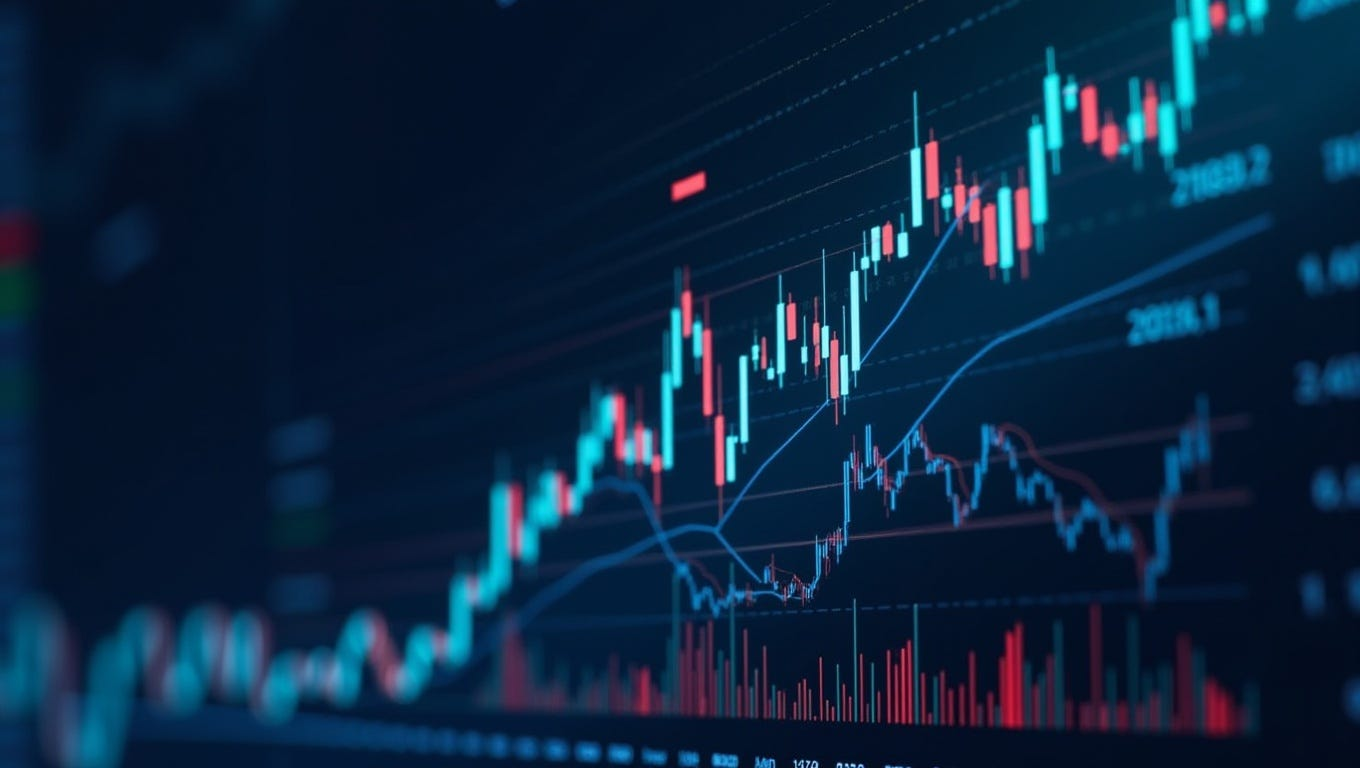
How Should Investors Properly Use AI Quantitative Strategies?
AI quantitative trading is not a guaranteed way to profit—it requires:
- Continuous data updates and model retraining
- Proper parameter settings and effective risk control
- An understanding of changing market environments (e.g., black swan events can significantly affect model performance)
Recommendations for individual investors:
- Use AI as a supporting tool, not the sole basis for decision-making
- Start with small-scale strategy testing to observe performance
- Review and adjust strategies regularly, including parameters and logic
- Prioritize capital management, controlling position sizes and risk exposure
AI Quantitative Trading Is the Future Trend
AI is transforming the landscape of stock trading at an unprecedented pace. It not only boosts trading efficiency but also breaks the limitations of traditional intuition-based investing.
However, true smart investing will always be the result of a synergy between advanced technology and human rational judgment.
Mastering AI quantitative trading is not just a preparation for the future—it's a reflection of real insight and forward-thinking.


Rick Wurster: Schwab has significantly improved employee efficiency and achieved cost savings by expanding the use of AI technology. He mentioned: "Through these efforts, we have successfully reduced the cost per customer account by more than 25% over the past decade, and if inflation is taken into account, the decline is close to 50%." In addition, employees' use of the company's internal AI assistant "Schwab Knowledge Assistant" increased by 90% in 2024.
AI quantitative trading is a new trading method that combines artificial intelligence technology with quantitative financial strategies. This method is widely used in the stock, futures, foreign exchange, cryptocurrency or derivatives markets, emphasizing data-driven, reducing human subjective judgment, and improving trading efficiency and accuracy.
Artificial intelligence (AI) has transformed the finance industry in recent years. One area where AI has made a significant impact is quantitative trading, where algorithms are used to analyse large amounts of financial data and make trades based on patterns and trends. While statistical methods have been used for many years in finance to analyse data, the complexity and volume of financial data have made it necessary to incorporate AI methods, which can provide more nuanced insights and help to better understand the data.

Large Wall Street investment companies, such as Goldman Sachs, BlackRock, Vanguard Group, Fidelity Investments and other financial investment companies have used AI to analyze stocks or other investment market conditions for them, thereby saving time on judging whether to go long or short and making investment returns more stable.
Why Should You Care?
Each of these use cases can impact ROI by reducing the likelihood of losses, increasing the number of profitable trades, and maximising returns while minimising risk. In addition, using AI in quantitative trading can be cost-saving and increase productivity by automating trading strategies, executing trades faster and more efficiently, and managing assets more efficiently. By leveraging AI-powered tools, trading teams can make more informed trading decisions and achieve higher ROI with greater accuracy and efficiency.
Save a lot of time
AI can monitor market data 24/7, including price fluctuations, trading volume, news sentiment, etc., without manual analysis. Through preset algorithms, AI can make trading decisions within milliseconds, while manual analysis may take hours. Quantitative trading systems can automatically place orders based on algorithms to avoid delays or errors caused by human intervention.
Large-scale data processing
AI can quickly analyze billions of market data, including historical data, real-time quotes, and social media information. Through machine learning, AI can identify complex market patterns and trends to provide a basis for trading strategies. AI can extract market sentiment from news and social media to respond to potential risks or opportunities in a timely manner.
It is worth mentioning that at this stage AI is more suitable for intraday stock trading. In the long run, using real-time market conditions for AI stock quantitative trading is the wisest choice.
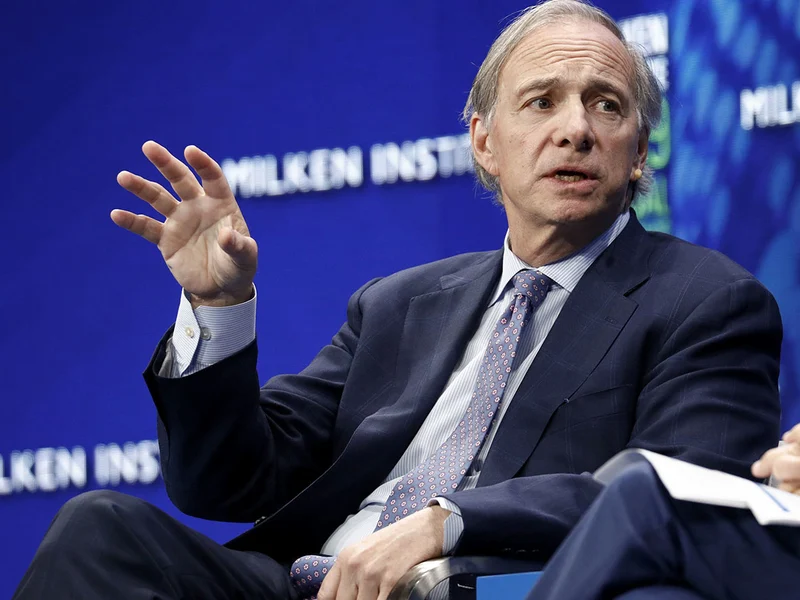
Ray Dalio
Founder of Bridgewater Associates
Known as the "Father of Hedge Funds," he advocates a principles-based management philosophy.
He promotes diversified asset allocation and emphasizes a macroeconomic perspective.
Cathie Wood
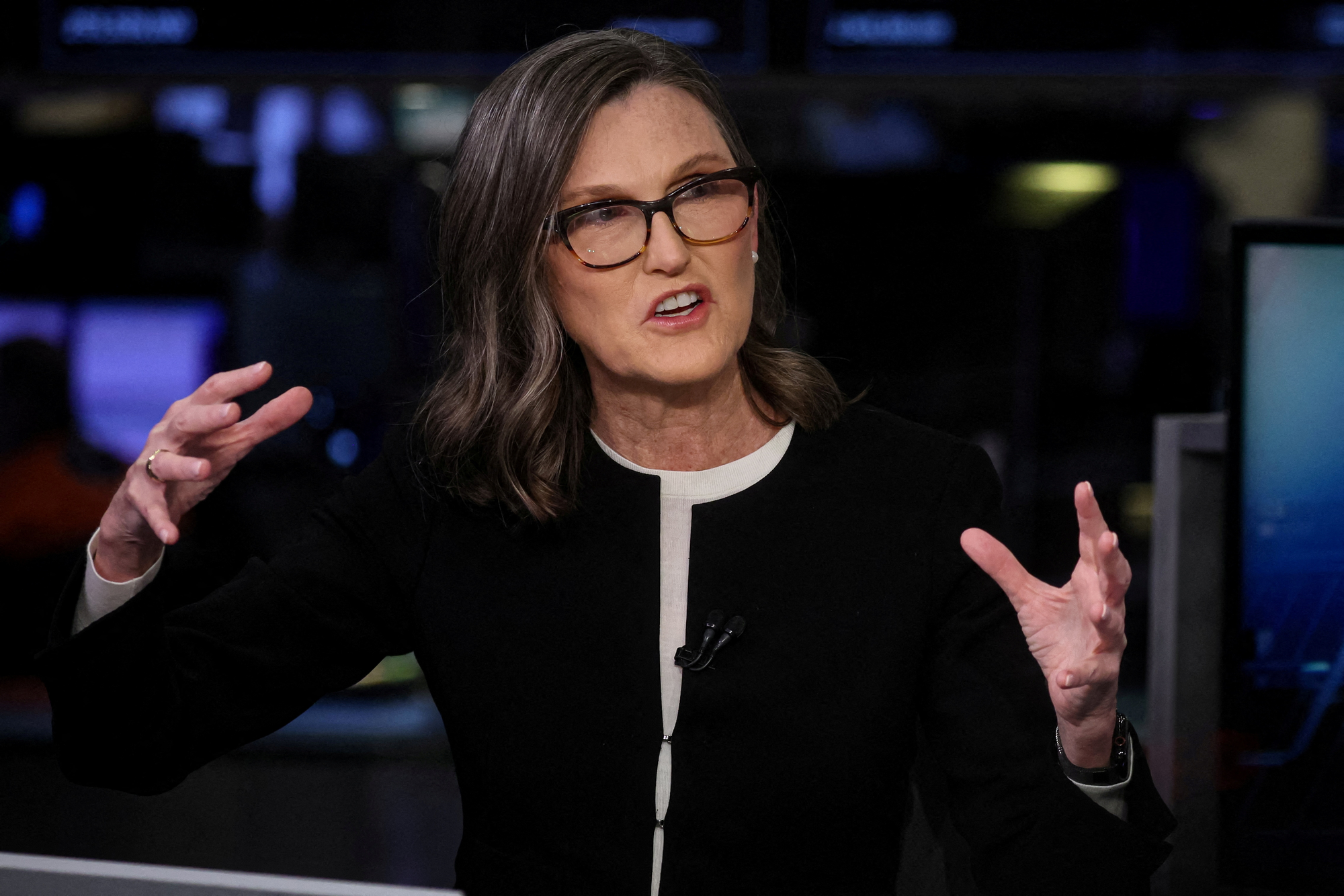
Founder and Chief Investment Officer of ARK Invest
She is well known for investing in innovative technology stocks such as Tesla, Roku, and Coinbase.
Although her funds are highly volatile, her forward-looking vision of future trends has drawn significant attention.
Warren Buffett
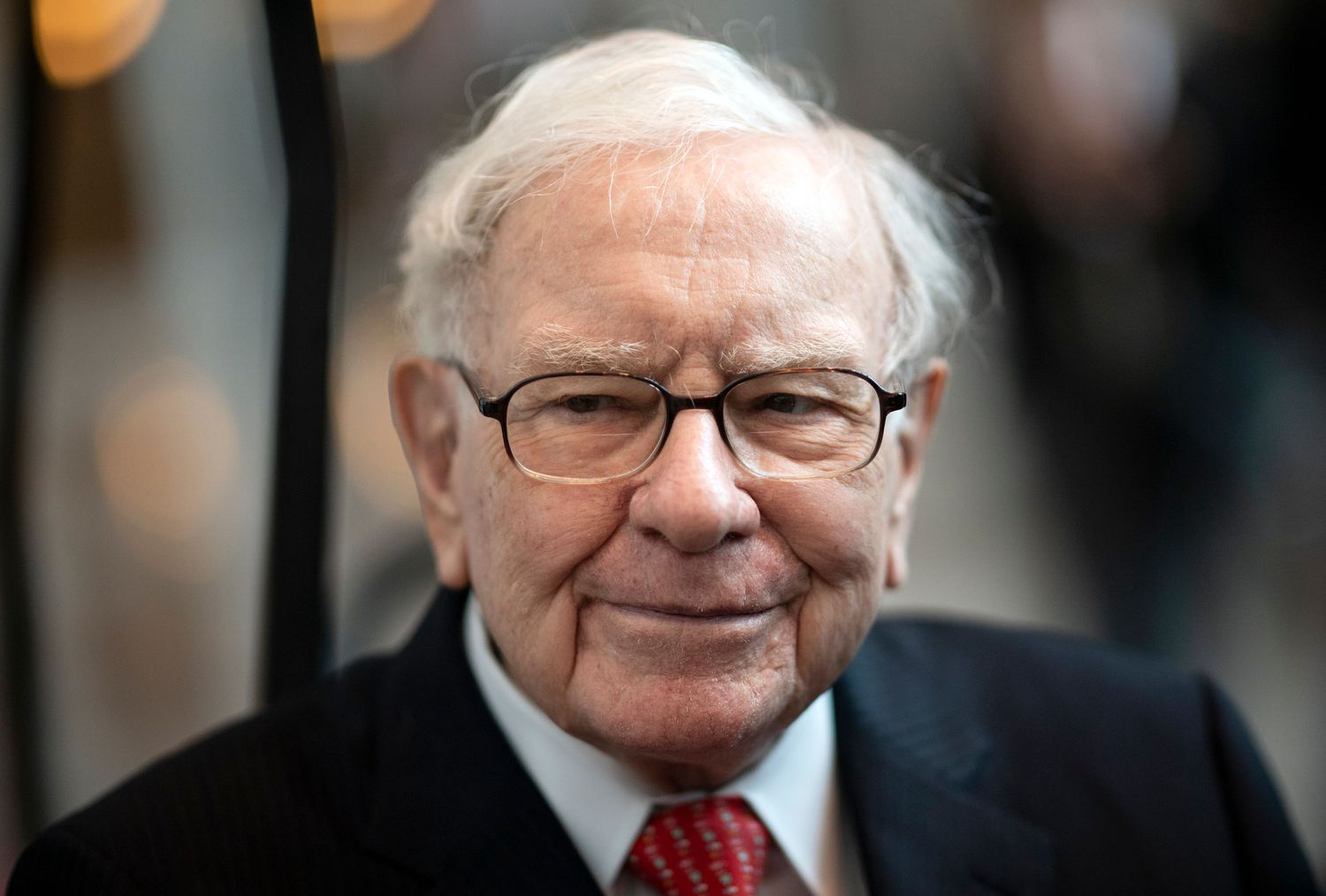
Chairman and CEO of Bill Hill Hathaway
Buffett is famous for his "value investment" philosophy, emphasizing: "Be fearful when others are greedy, and be greedy when others are fearful"
He has been on the top of the world's rich list many times
Bill Ackman
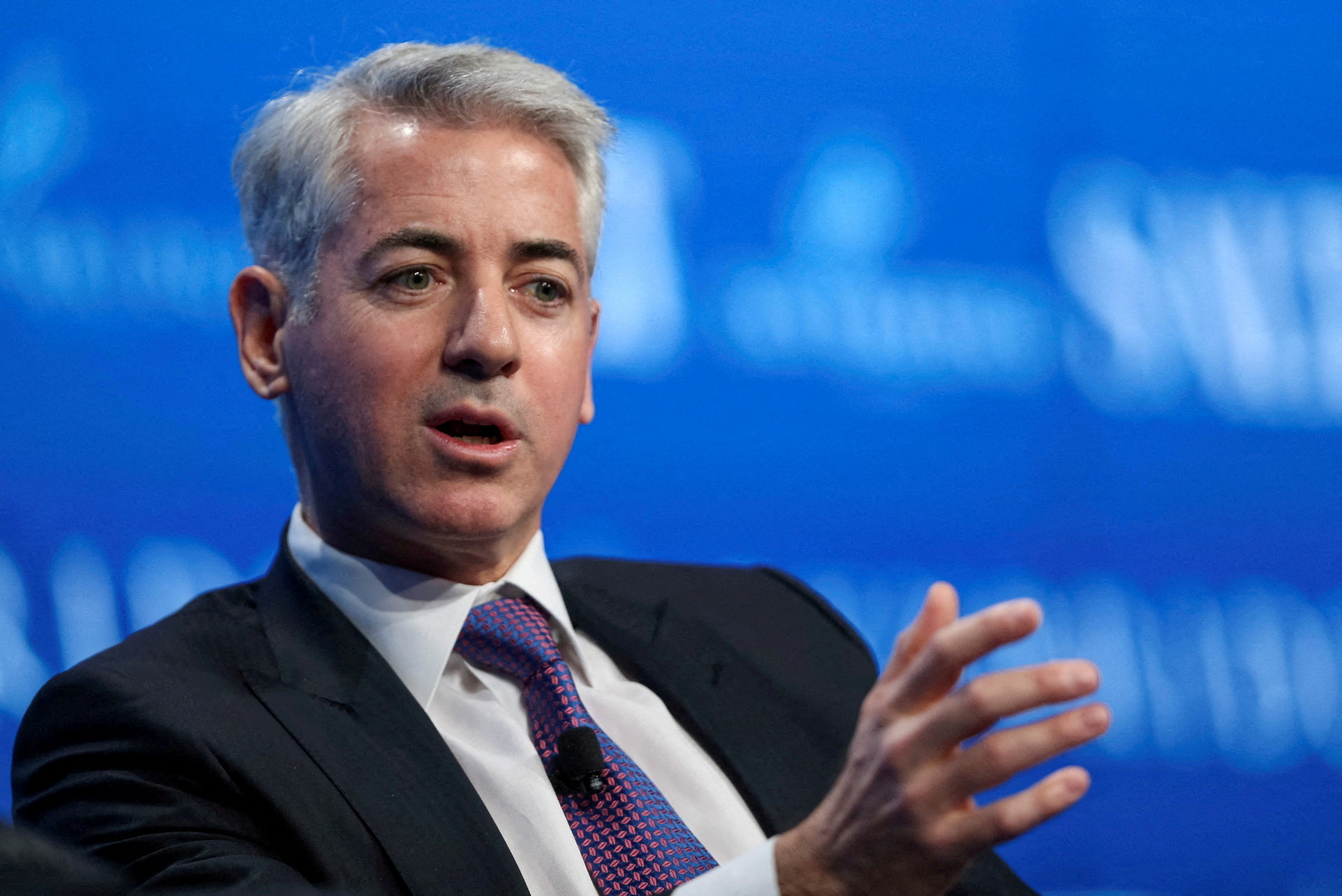
Founder of Pershing Square Capital Management
A well-known activist investor, Ackman is skilled at using a combination of short-selling and public commentary to influence market sentiment.
He gained widespread attention during the early stages of the COVID-19 pandemic by accurately betting on a market downturn, profiting significantly from the crash.
What investment institutions are using AI for stock trading?

The Voleon Group
A quantitative investment management company founded in 2007 and headquartered in Berkeley, California.
Voleon specializes in stock trading using machine learning and AI technologies, developing complex algorithms to analyze market data and execute trading strategies.

Two Sigma
New York-based hedge fund focused on technology-driven investments.
Two Sigma uses AI and machine learning techniques to analyze data and identify investment opportunities in the market.

Renaissance Technologies
Founded by mathematician Jim Simons, famous for his quantitative trading strategies.
The company widely uses mathematical models and AI technology to analyze market patterns and develop trading strategies.

Citadel
Citadel has invested hundreds of millions of dollars in AI technology and has an independent AI research team. Its quantitative department uses AI to assist in determining liquidity and risk-adjusted returns.
High-frequency trading optimization, real-time data analysis, and market anomaly detection.

BlackRock
The world's largest asset management company
BlackRock's Aladdin platform is known as "Wall Street's most powerful AI risk control and investment system". It monitors global asset risks every second and is widely used in stock allocation and transaction execution.
Risk control prediction, asset allocation optimization, and market crisis warning.
NVIDIA GPU
NVIDIA GPUs accelerate AI model training, and more and more Wall Street investment banks such as Goldman Sachs and JPMorgan Chase are using its hardware to build private AI platforms.
Goldman Sachs once used the Transformer model to predict stock performance, and JP Morgan also used AI to analyze Twitter sentiment to assist trading strategies.
LLM, image recognition K-line, public opinion analysis, etc.